Trip to Priorat
After our visit to Penedès, we continued our journey toward Priorat — a now-renowned wine region in Catalonia, located between Barcelona and Tarragona. Priorat is entirely surrounded by the larger Montsant wine area and boasts an exceptionally old winemaking history, dating back to the founding of the Scala Dei monastery in the 12th century.
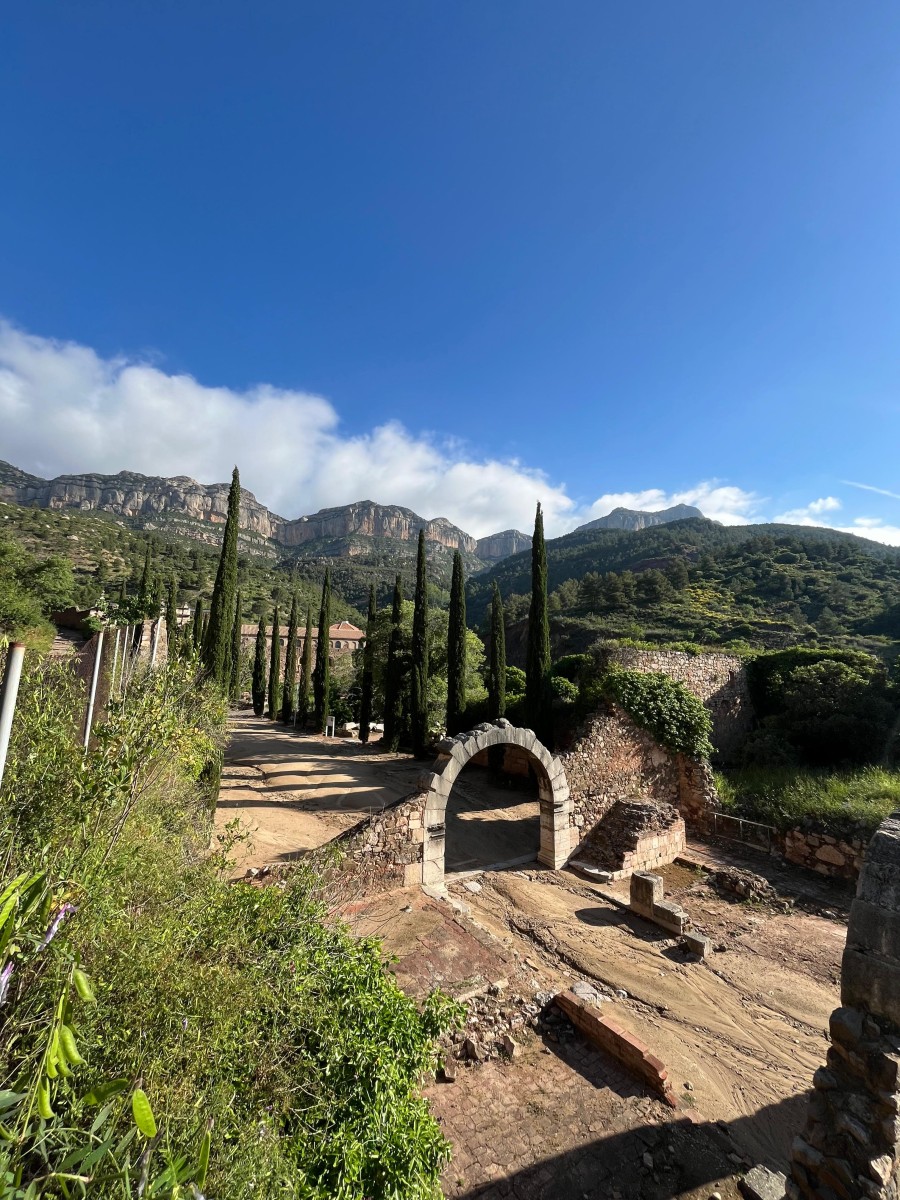
The monks of Scala Dei planted vineyards in the surrounding hills in the 17th century. Wherever monasteries were established, vineyards often followed — and these monks turned out to be skilled winemakers. The region’s distinctive slate soils (llicorella) proved to be exceptionally well-suited for viticulture. For centuries, the monastery remained a central hub for winemaking. However, in 1835, a revolt broke out against the power of the Church. Scala Dei was closed, and angry locals set the monastery and surrounding churches ablaze. Today, the ruins of Scala Dei are a somber sight — it must once have been a breathtaking and awe-inspiring place, hidden among the steep peaks of the Serra de Montsant.
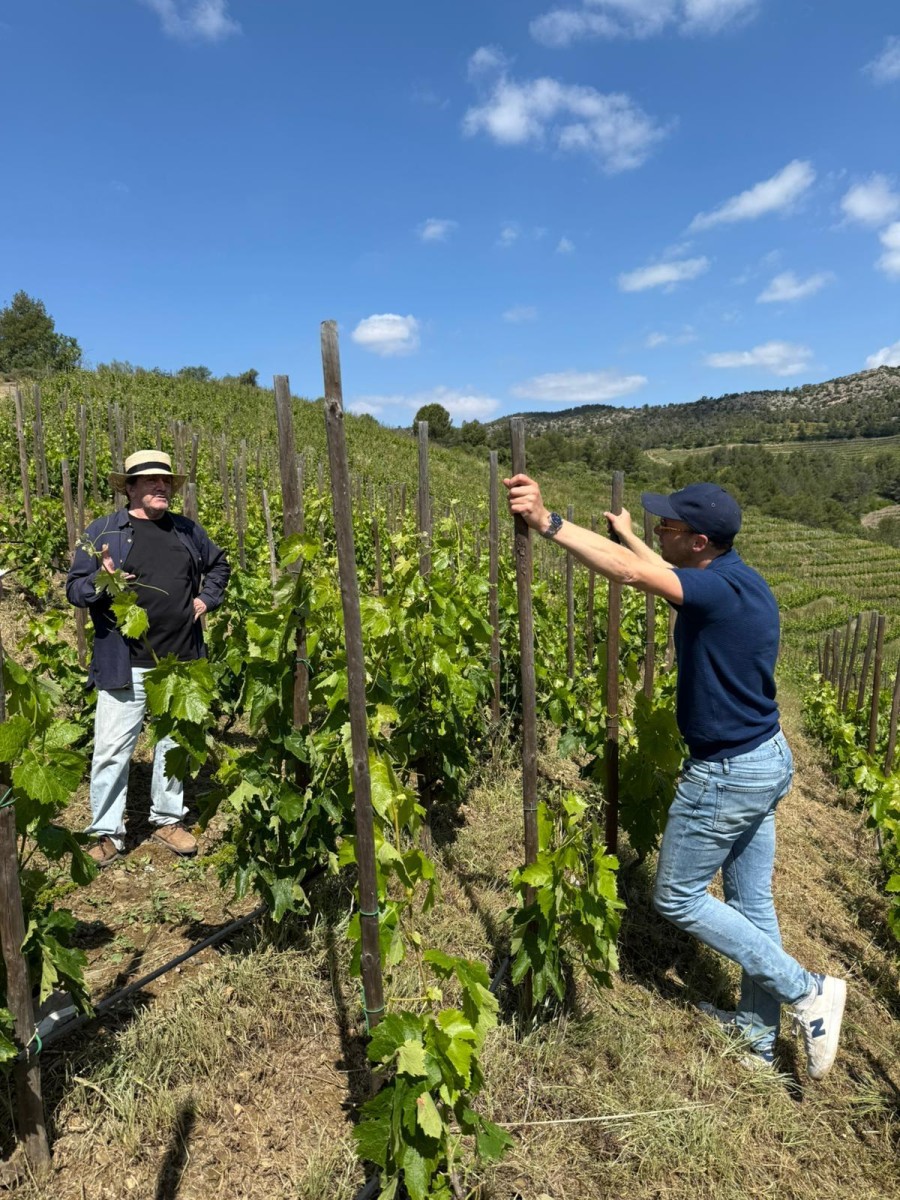
Our visit to Priorat focused on one man: Alfredo Arribas.
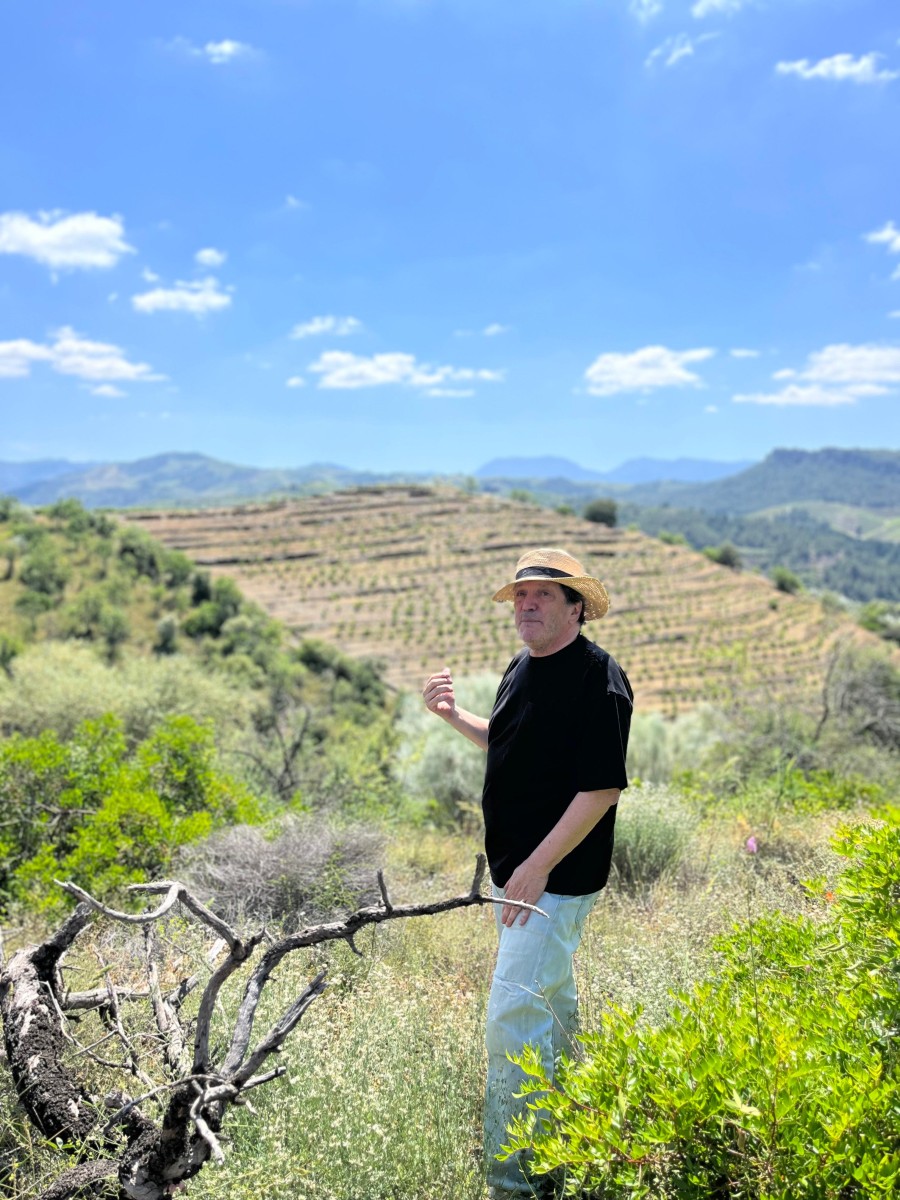
Originally a successful architect, Alfredo decided in 2001 to purchase a neglected 40-hectare estate. Since then, over two decades of hard work have gone into replanting the vineyards with carefully chosen grape varieties and clones. The terrain is rugged, steep, stony, and dramatic — immersed in wild nature.
Alfredo now runs several wine projects in Priorat and Montsant, releasing wines under different labels. The heart of his work is Clos del Portal, a 12-hectare estate planted with Carignan, Garnacha, and Syrah for reds, and Garnacha Blanca and Pedro Ximénez for whites. Although he has experimented with many other varieties, all of them were eventually uprooted.
A particularly special plot within Clos del Portal is a vineyard with Carignan vines dating back to 1911. This "mother vineyard" provides the material for new Carignan plantings and is the foundation for cuvées like Somni, Negre de Negres, and La Solana. Gotes, a fresher and younger style red, leans more toward Syrah. Garnacha is, according to Alfredo, the red grape of the future — resilient against both heat and drought. For white wines, he focuses firmly on Garnacha Blanca, with stunning additions made from Pedro Ximénez: La-Llerra and PXX — the very same grape used in the sweet wines of Jerez, here vinified as dry, gastronomic whites.
In 2013, Alfredo planted a new vineyard at higher altitude: El Mas de l’A. Unlike most of Priorat, which is dominated by slate, the soils here are composed of quartz and limestone. The white wines from this site — made from Garnacha Blanca — are truly exceptional. They evoke Jura-like energy and minerality. Just wow.
In his cellar, we also tasted the latest editions of the Luno wines — beautifully made red and white wines from Montsant, crafted using top-quality grapes and 'left-overs' from Clos del Portal. Also from Montsant is the Trossos project. After summer, a new Carignan from Masroig will be released — rich, ripe, and very well-priced. Another highlight is the release of Saleras Blanc 2017, a powerful white Garnacha Blanca that brings to mind a white Châteauneuf-du-Pape. Pure intensity.
Alfredo is also a keen experimenter.
His more avant-garde wines are released under the Vins Nus label — meaning “naked wines.” Highlights in this series include a Claret (rosé), a crisp, ultra-light red (Jus Rouge), a subtle orange wine (Carmen), and once again the incredible PXX, aged under flor in oak barrels. This dry PX is astonishing — oak, reduction, acidity, and a full, textured body all in perfect harmony. The red version, PERSE, is a blend of multiple vintages of long-aged Grenache Noir.
Alfredo proves that without risk, there is no progress. His portfolio is now in perfect balance: from classic (Clos del Portal, Trossos, Luno) to modern (El Mas de l’A), and fully unconstrained and free-spirited (Vins Nus). A visionary with taste, precision, and boldness.

Luno Blanc Montsant - Grenache blanc & Macabeo
La-LLera Blanca - P.X. & Grenache Blanc
Les Margues - Grenache Blanc & Gris (22)


Luno Tinto Montsant - Grenache, Cabernet, Merlot & Carignan
Gotes del Priorat - Grenache, Carignan & Syrah (22)
Magnum Gotes del Priorat - Garnacha & Carignan (22)
Magnum Negre de Negres - Grenache, Carignan & Syrah (21)