
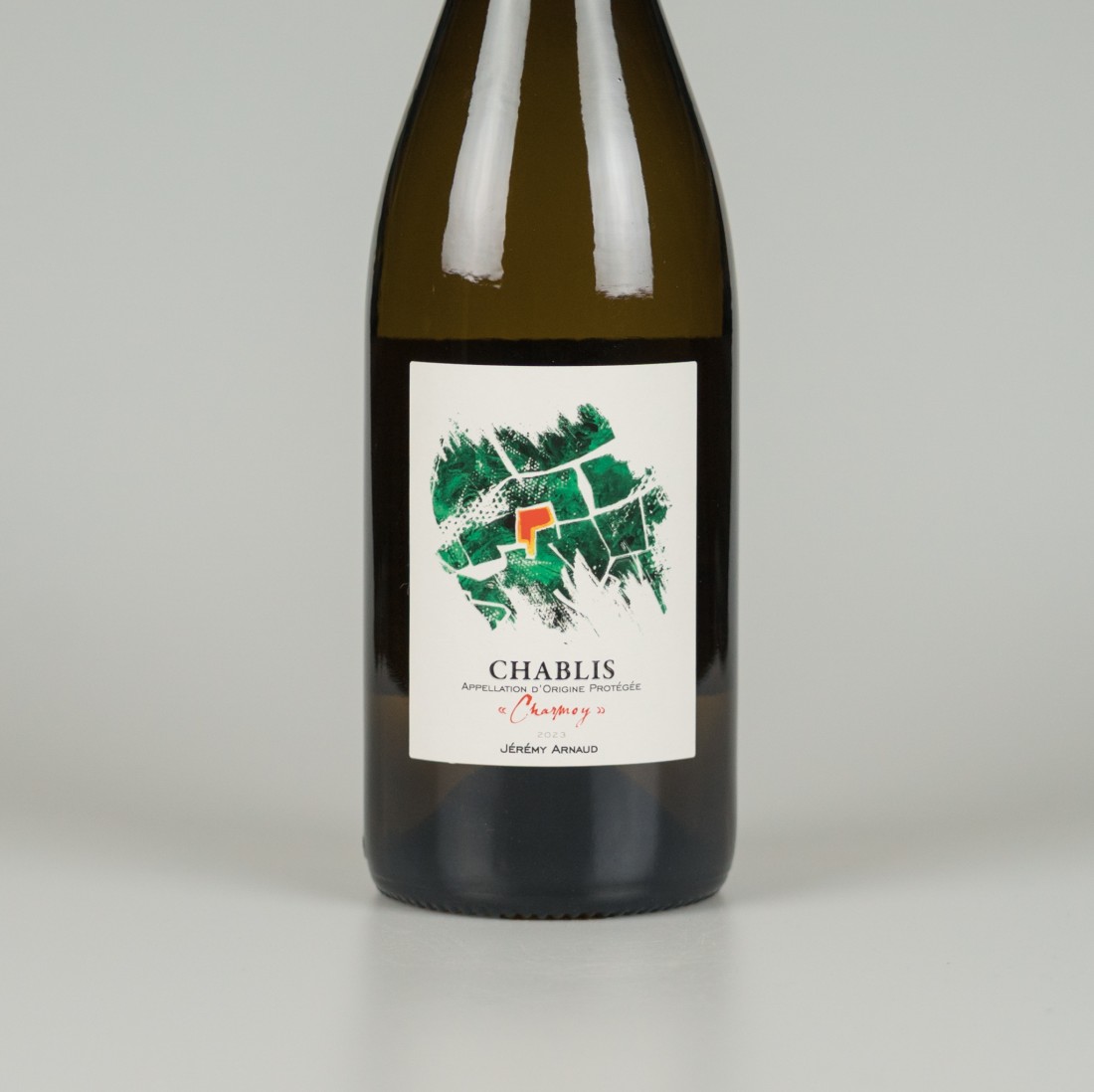
Chablis ’Charmoy’ Village de Beine - Chardonnay (23)


Omschrijving
Chardonnay | lieu-dit 'Charmoy' in Beine | stokken 40+ jaar oud | Portlandian terroir | whole bunch press | vergisting en rijping voor 24 maanden in eikenhouten vaten (10% nieuw) | witte bloem | amandel | appel | witte peer | iets honing/vanille | pollen | levendig en schoon | fijne zuren ondersteunen zacht rijp fruit
Jérémy Arnaud
Begint na zijn studie in Montpellier met maar 0,55 ha., met als eerste uitgebrachte jaargang 2017. Er volgen meerdere kleine percelen in o.a. Berú, Beines en Bourgogne Tonnerre. Werkt o.a. zonder herbiciden, met de hand, streeft naar langere rijping, bottelt zonder filtratie en met minimaal sulfiet. Een echte artisanale werk- en leefstijl. Een van de spannende namen in opkomst rondom Chablis.
Jérémy: "Ik wil de plant laten uiten, zodat ik wijnen maak die totaal verschillend zijn van het ene terroir en van het ene jaar tot het andere. Ik wil dat mijn wijnen de uitdrukking zijn van wat ze werkelijk zijn, niet van wat je wilt dat ze zijn."
Review
The 2023 Chablis Charmoy, sourced from a south-facing site dominated by Portlandian soils, is a charming wine that unfurls in the glass with aromas of gooseberry, cherry plum, orange oil, almond paste and pear, mingled with beeswax and Madagascar vanilla. On the palate, it is medium- to full-bodied, bright and vibrant, with a sweet core of fruit underpinned by tangy acidity and a vanilla-inflected finish yet simultaneously displays slightly greater cut than Arnaud’s other village bottlings this year. 92/100 Kristaps Karklins
Jérémy Arnaud is the son of a longtime coopérateur who owns some 15 hectares, including several lesser-known premiers crus. However, Jérémy has chosen a different path. After studies at Montpellier, he started up with a mere 0.55 hectares, vinifying his first vintage in 2017. Today, roughly 11 hectares are in exploitation, including small, high-density parcels he planted in Béru, Beines and Bourgogne Tonnerre, where he has also raised the trellising to increase leaf surface area.
Working without herbicides, Jérémy harvests by hand and ferments with indigenous yeasts in barrel, using approximately 20% new oak sourced from Tonnellerie François Frères, Tonnellerie de Mercurey and Tonnellerie Rousseau. He favors extended élevage on the lees—two full years in total—with the wines spending their first year in wood before being transferred to automated, temperature-controlled stainless steel tanks for the second.
This artisanal approach delivers wines of texture, tension and individuality that show considerable potential. In certain vintages, the interplay of toasty new oak and their structure may evoke stylistic comparisons with the Côte de Beaune.